Our own game · 2D platformer · Unity
Wondy World: a 2D platformer with a level editor
Our own game, built in Unity: six worlds, a character who jumps from platform to platform and a creative mode where players build their own levels. It was released on Google Play and is now coming back, restored in Unity 6.
If your game needs player-created content, the hard parts are already solved here: an editor that validates as you build, a save format for sharing levels and world-by-world progression.


 6 worlds
 8 piece families in the editor
 Android, PC and web builds of the game
 2014 → 2026 from Google Play to Unity 6
The game · Eternal Spring
What Wondy World is, and who made it
Wondy World is our own 2D platformer, built in Unity by OverFuture and Androtiyas, our founder's video game brand.
It has six worlds, quests, items that change your abilities and a creative mode. That mode is what sets it apart: players build levels with the game's own pieces, test them and share them. The campaign and player-made levels follow the same rules.
- 2014 Released on Google Play.
- 2022 Pulled from Google Play: the reviewer couldn't get into creative mode without an account.
- 2026 Migrated to Unity 6 and on its way back to Google Play.
Need player-created content in your game, or got an old project you'd like to bring back? Tell us in the form.
Got a game in mind?
We reply within 24 business hours.
- Genre
- 2D platformer, adventure
- Creative mode
- Built-in level editor
- Engine
- Unity 6, C#
- Worlds
- Six
- Versions
- Mobile, PC and web
- Code
- 65 scripts, 18,498 lines
- Status
- Released in 2014; being re-released
- Development
- Androtiyas and OverFuture
Challenge 1 · Creative mode
An editor that won't save broken levels
A level editor turns the game's internal rules into a tool. If placing a piece is hard, nobody creates anything. If nothing is validated, impossible levels get shared.
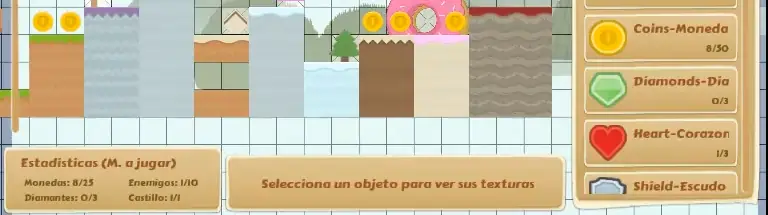
Wondy World's editor works on a grid. The map starts at 70 by 15 cells and grows with what you place. Before you drop a piece, the editor warns you if that position isn't allowed.
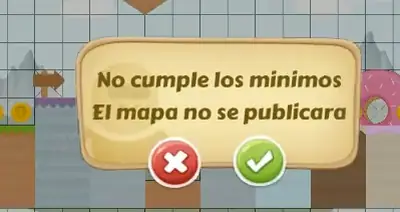
There's also a rule for saving: at least 25 coins and 10 enemies. The editor keeps count on screen and, if any are missing, warns that the map won't be published. We explain it in How was the Wondy World editor made? (in Spanish) (opens in a new tab).
- Result
- No shared level arrives empty or half-finished, because the rule is checked before publishing.
- For your project
- If your players create content, validation belongs inside the editor, not in moderation afterwards.
Try the save rule
With the game's real pieces: lay the ground, place coins and enemies and see when it lets you save.
Coins: 0/25
Enemies: 0/10
Choose a piece and tap a cell, or press "Fill at random". You still need 25 coins and 10 enemies before you can save.
Want an editor like this in your game? Tell usHow it's saved (the game's own format)
0!0!
Background and sound first (0!0!), then each piece as id|column|row, separated by "!": 13 = coin, 28 = enemy; 1, 4 and 6 = grass, sand and tundra ground.
A smaller grid for this page, with the creative mode's cells and sprites. The 25-coin and 10-enemy rule, the piece ids and the format come from the game's code; ground doesn't count towards saving.




Challenge 2 · Saving and sharing
A whole level in a single line of text
To share levels between players, the format had to be small and easy for the game to read. Each level is saved as text: first the background and sound, then each piece with its id and its cell.
The same line works for editing and for playing. The game reads it, puts each piece in place and decides whether to open the map in edit mode or play mode.
The pieces are grouped into eight families: character, items, buildable, decoration, traps, events, enemies and extras. Each family sets how many of its pieces a map can hold.
- Result
- A level travels as a line of text and opens the same way for editing or playing.
- For your project
- Saving content as simple data makes it easier to share, version and moderate.



Challenge 3 · World progression
Six worlds, quests and items that change how you play
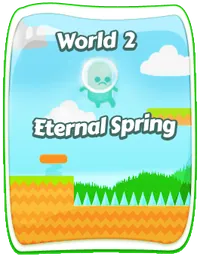


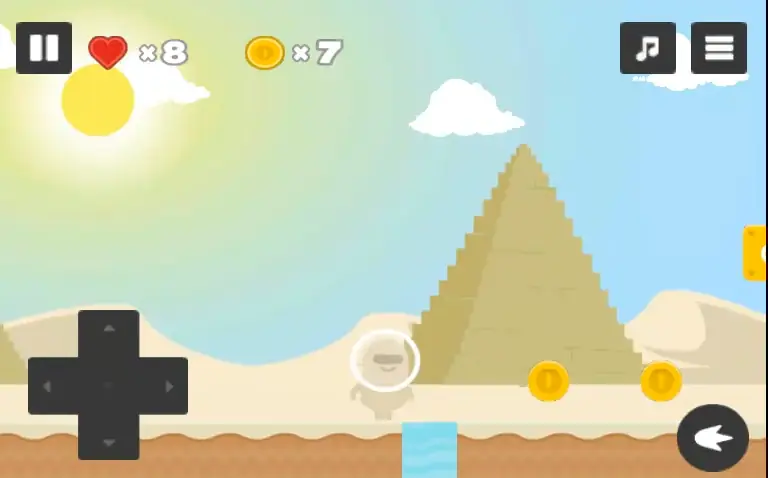
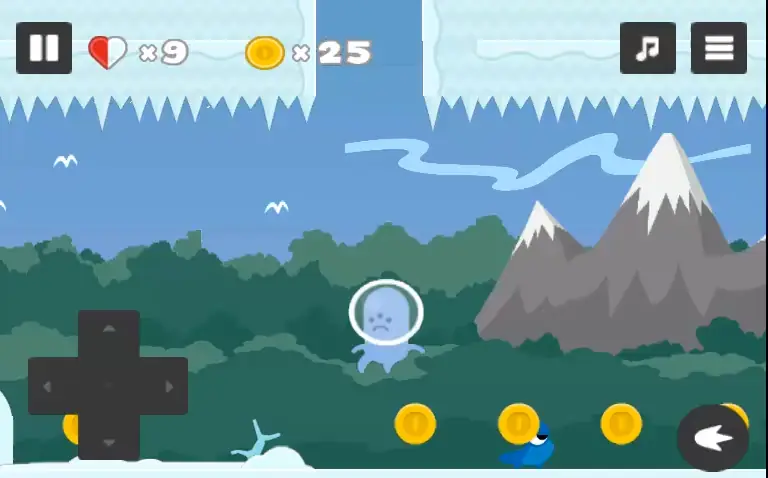
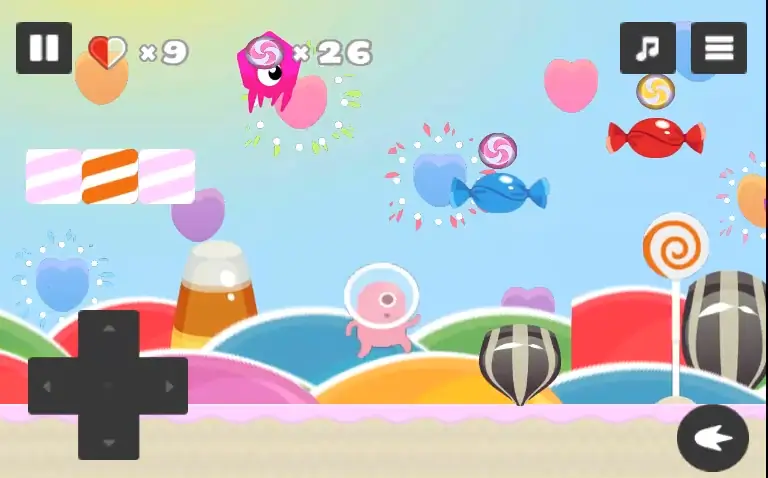
Each world changes the scenery, enemies and blocks without changing the controls, and each level introduces a new goal, obstacle or reward so the next step makes sense without explanations.
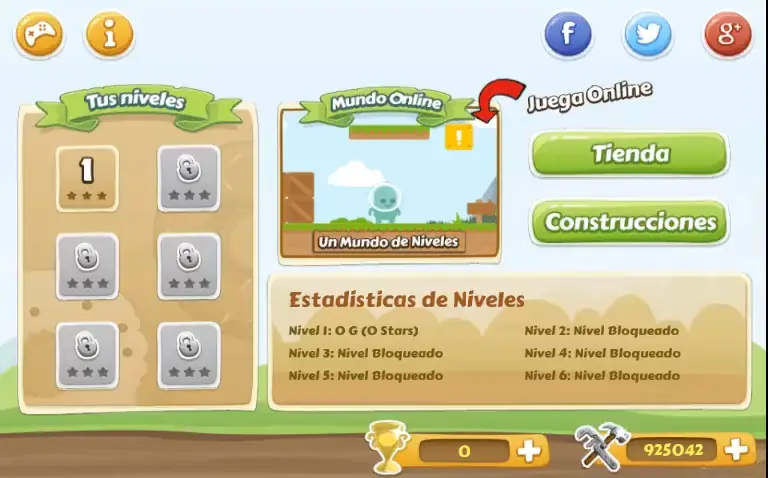
Items change abilities such as health or speed and open up other ways through a level. Quests and the leaderboard give players reasons to come back. The cards above are the game's own menu cards.
- Result
- Six worlds, each with its own identity but the same controls; the first one teaches you to play.
- For your project
- World-by-world progression lets the game grow in instalments without redoing what came before.





The result · Happy Candy
What you play in Wondy World
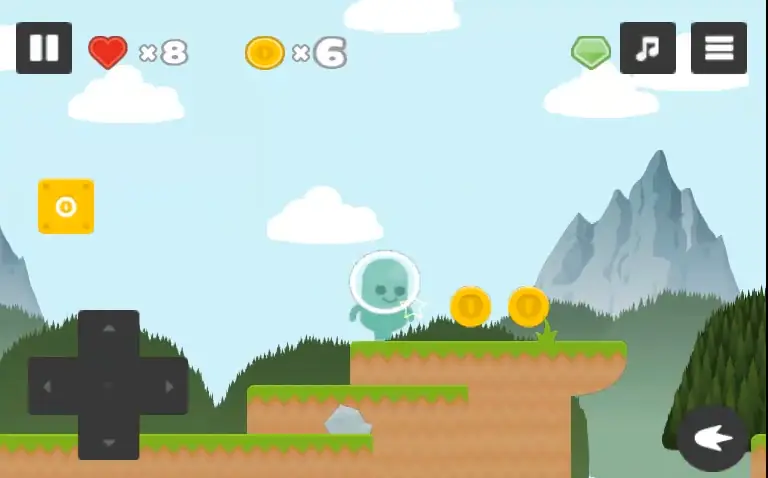
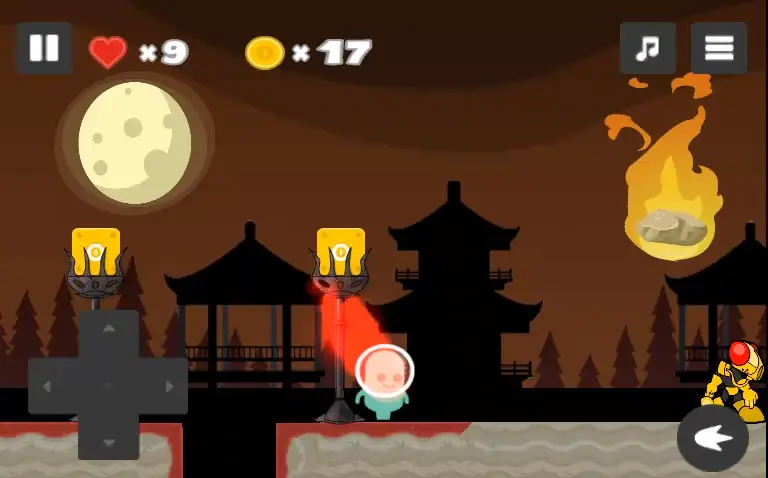
Frames from a 2014 recording: some menus were still in English back then and the coin counters were test values.
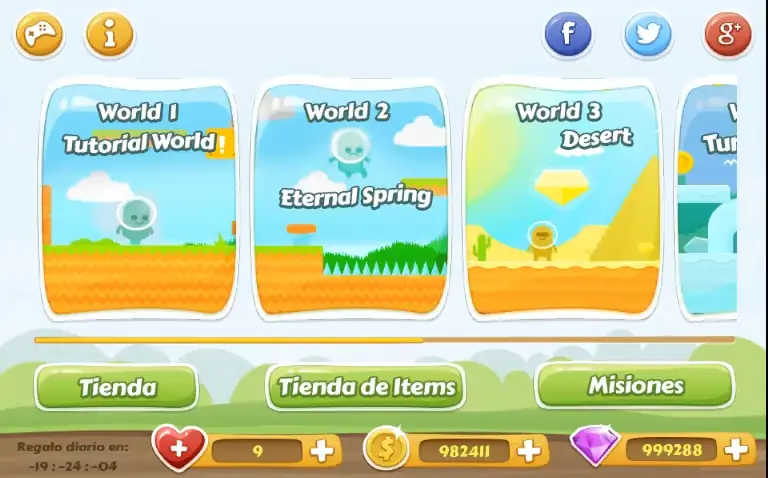
World selection, with the shop and the quests. 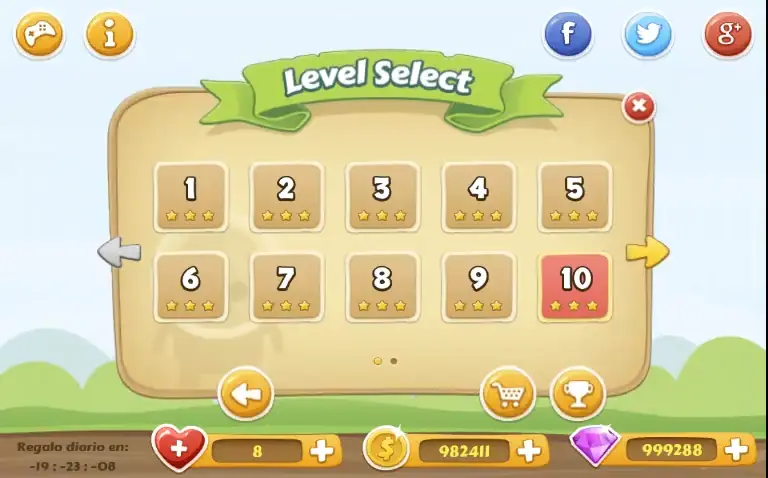
Level select, with the stars earned on each level. 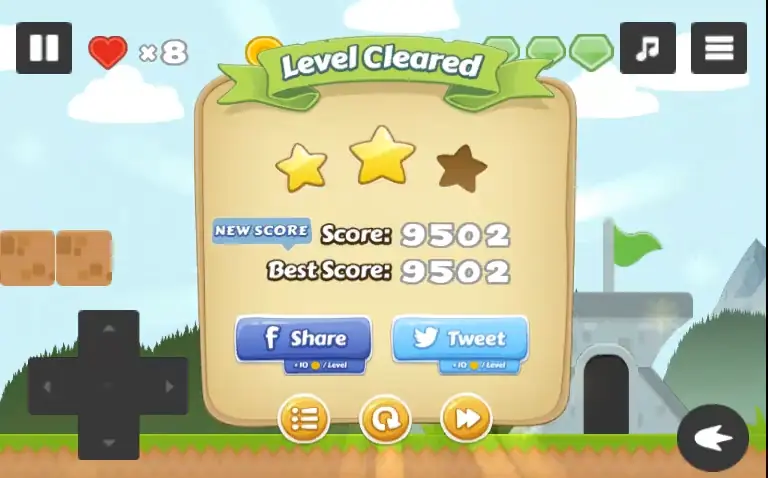
Level cleared, with a score to share. 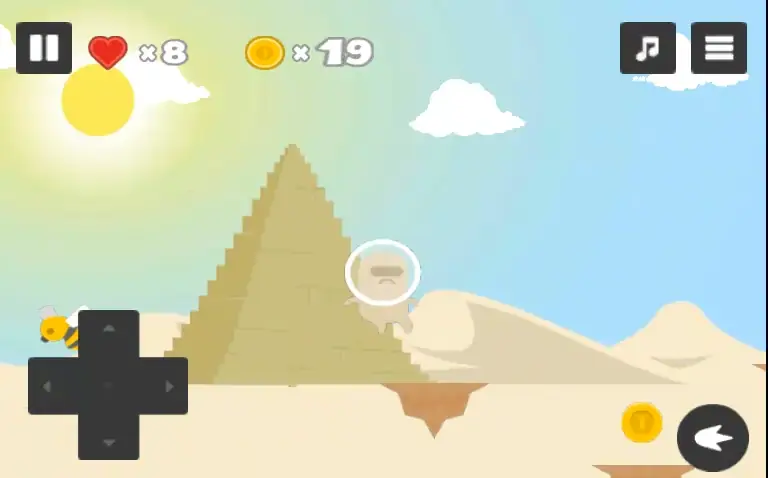
The desert, with a bee next to the pyramid.



FAQ
What people ask us about Wondy World
Who developed Wondy World?
Androtiyas and OverFuture. It's our own game, built in Unity and migrated to Unity 6 in 2026.
Is Wondy World on Google Play?
It was released on Google Play in 2014. Google pulled it in 2022 because the reviewer couldn't get into creative mode without an account, and it is now on its way back to the store, restored in Unity 6.
Can you build a level editor for my game?
Yes. That's what we did in Wondy World: pieces with rules, validation as you build and a small save format for sharing levels.
What does a player-made level need before it can be saved?
At least 25 coins and 10 enemies. If any are missing, the editor warns that the map won't be published.
Do you develop video games in Zaragoza for other companies?
Yes. From Zaragoza, Spain, we develop video games and virtual reality experiences for brands, studios and companies. Wondy World is our own project and shows how we work.
How much does it cost to develop a platformer?
It depends on the scope. Our gamification and video game projects start at €2,000, excluding VAT. The final price depends on the mechanics, levels, art, platforms and whether there's multiplayer.
We build Unity games in Zaragoza

Got a game in mind?
Tell us your idea, even if it's just a level sketched on paper. We'll suggest a way to get started.
- A rules-based editor that validates as you build.
- A small save format to share, version and moderate levels.
- World-by-world progression to grow in instalments.
- Bringing an old project back, updated to Unity 6.
comercial@overfuture.dev · +34 617 36 31 92
We reply within 24 business hours.