Unity development in plain words.
Unity is a game engine, a toolkit that handles graphics, physics, input and audio so developers can focus on the game itself. Developers write C# scripts in Unity to control the elements of an application.
The same project can then produce versions for different devices. Unity supports most of the leading desktop, web and mobile platforms.
What Unity is used for
Unity is best known for games, but the same engine also runs virtual reality and interactive training. These are uses we have covered ourselves, with an example of each from our own project pages. All of them were built in Unity with C#.
| Use | Example from our work |
|---|---|
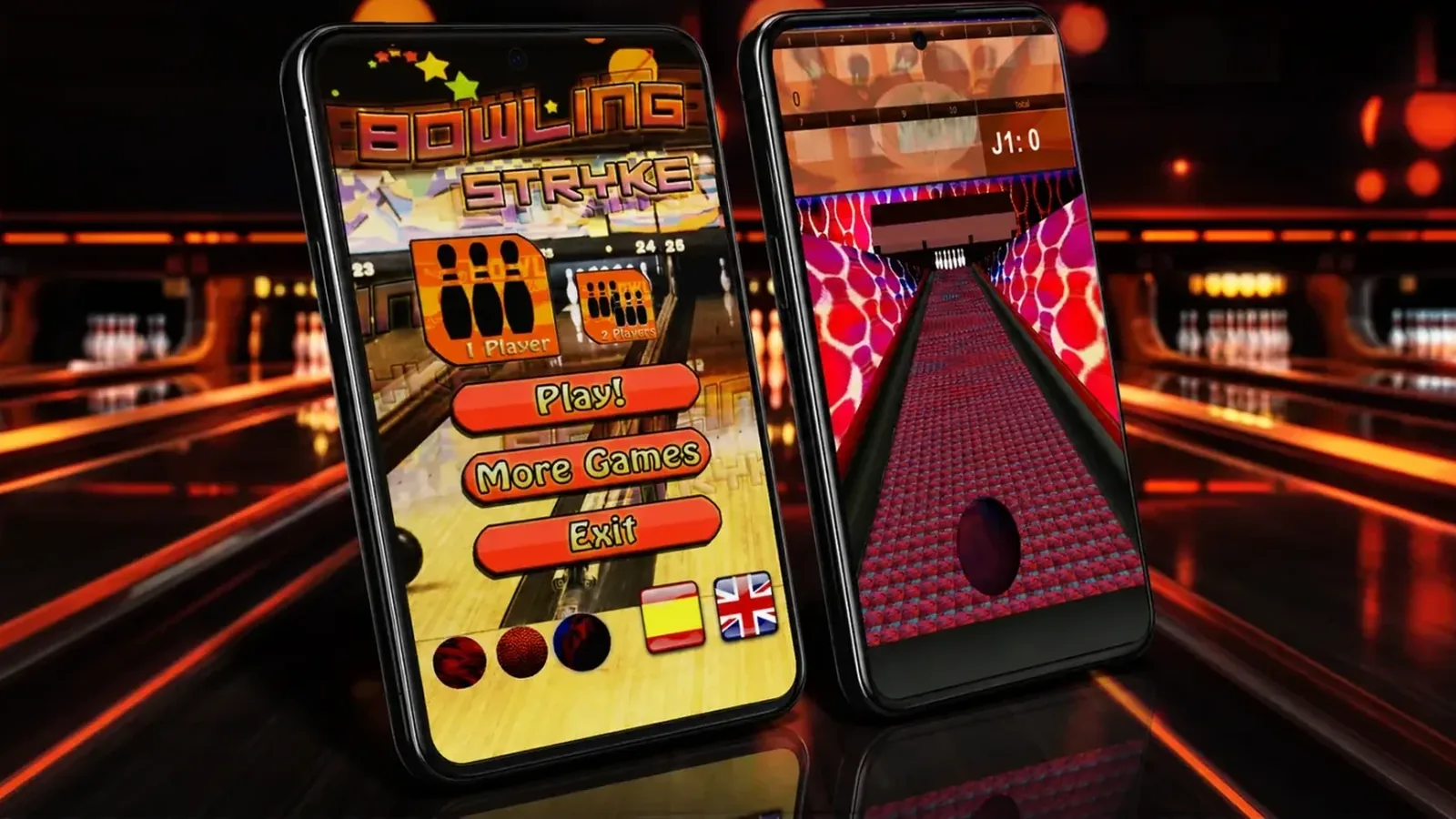
| Games of our own | Wondy World, with more than 100 levels |
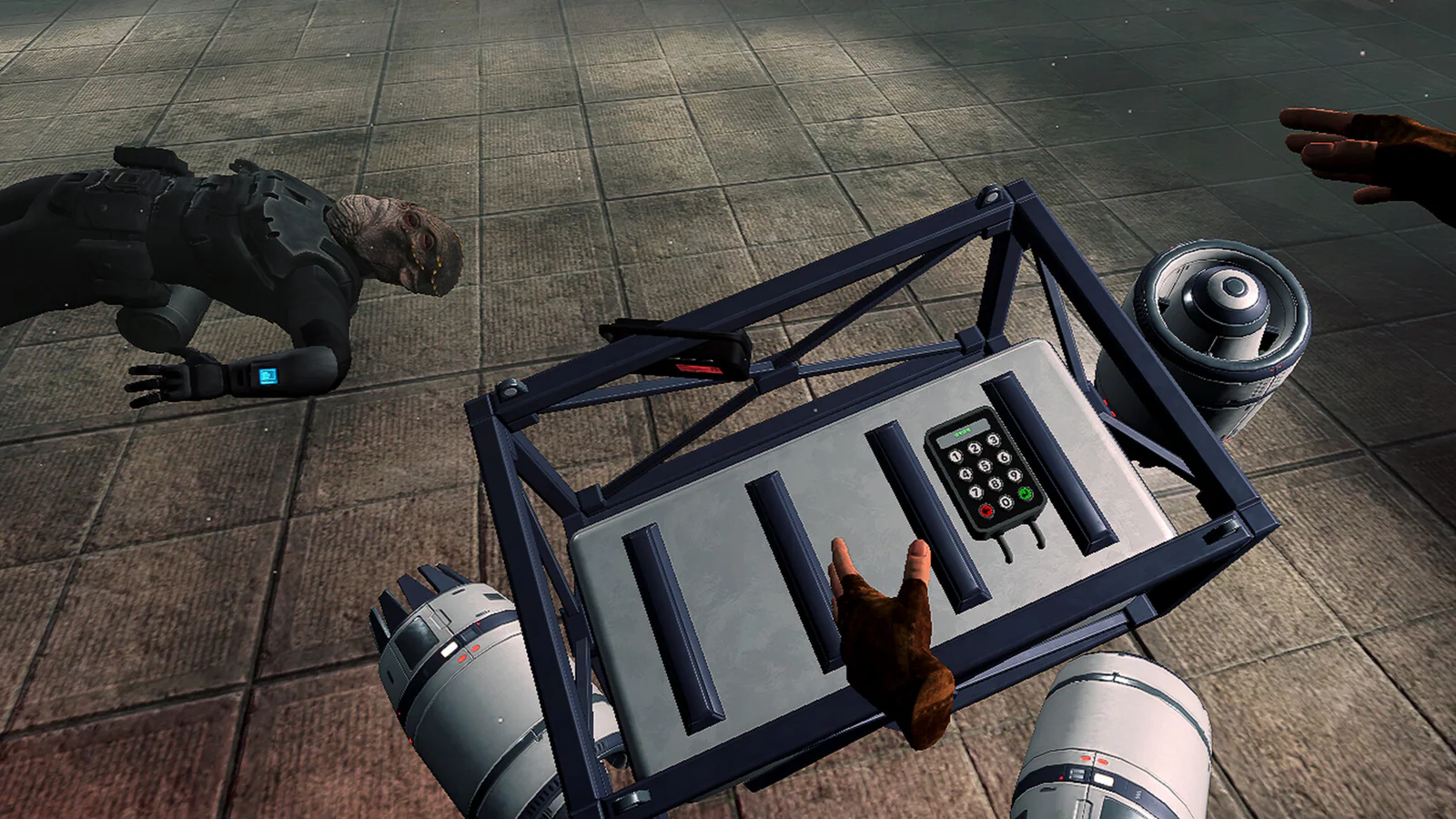
| Virtual reality | Escape the Urban Underground for Meta Quest and PC VR |
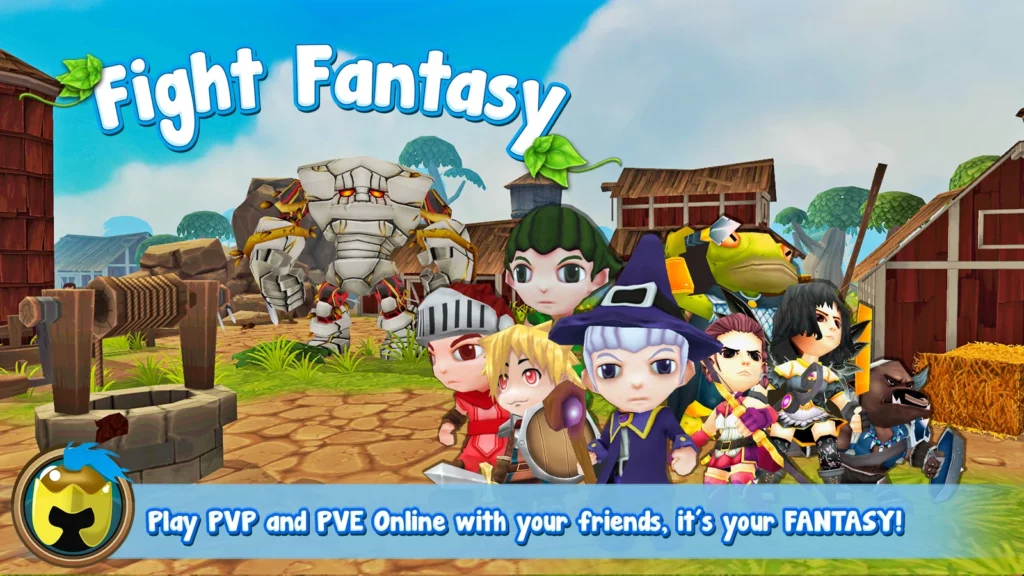
| RPGs | Fight Fantasy, from our founder’s track record |
| Games for clients | Virtual HHeroeSS, a VR game for Meta Quest 3 |
What Unity development covers.
Gameplay
Rules, controls and the feel of each interaction.
Content
Scenes, levels and the tools to build them.
Interface
Menus, settings and in-game information.
Online features
Multiplayer and saving when the game needs them.
Builds
A version for each device you want to reach.
Unity and virtual reality.
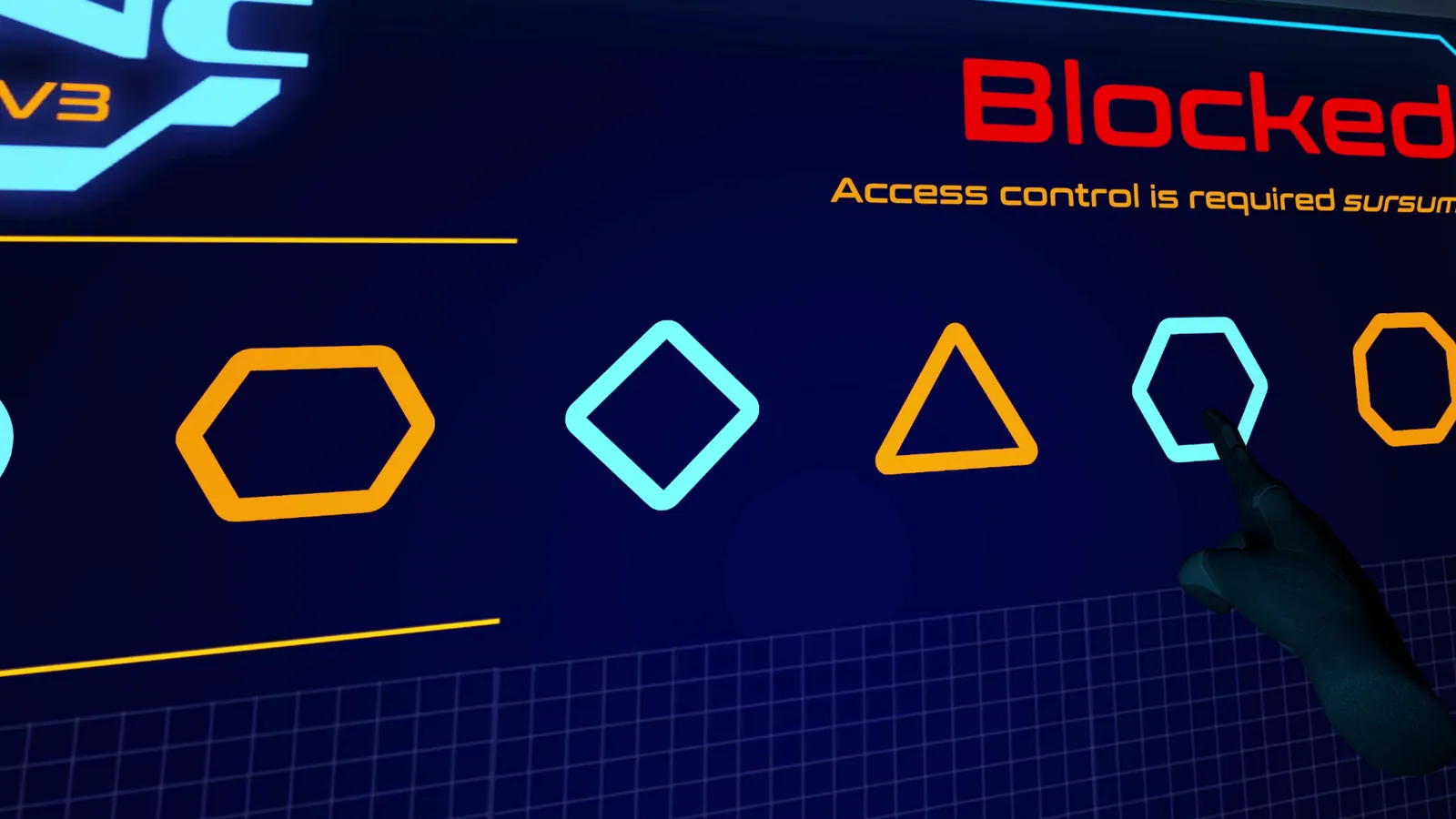
Unity is also a common way to build VR. Unity’s manual defines virtual reality as an application that simulates a self-contained environment around the user. Its documentation describes OpenXR as an open, royalty-free standard from Khronos that lets developers target a wide range of devices. We used both in Escape the Urban Underground (Spanish only). Our VR development page explains how we work with headsets.
Frequently asked questions.
No. Teams also use it for training, simulations and VR apps.
No. You describe the goal and we handle the code.
Our game projects start from €2,000, VAT not included. Scope and art drive the rest.
On our project pages, such as Wondy World and Fight Fantasy. Both pages are in Spanish.
Related projects.
Real OverFuture work on this topic. The project pages are in Spanish.