What the evidence says.
A meta-analysis by Sailer and Homner found significant small effects of gamification on cognitive, motivational and behavioural learning outcomes. Small does not mean useless, but it does mean the design matters.
A critical review of gamification in education by Dichev and Dicheva found studies with a mix of positive and negative results. The context and the learners explain much of that spread, as Hamari and colleagues also found.
Mechanics that help learners.
Decisions with consequences
Learners choose and see what happens next.
Progressive challenge
Tasks get harder as skills improve.
Immediate feedback
Each choice gets an explanation in context.
Reflection
A closing phase to review what was learnt.
Cooperation
Tasks that need two players to progress.
Points and badges or a serious game?
Points and badges are quick to add, but they sit on top of the learning. A serious game builds the learning into the play itself, so each decision teaches something. The table shows the main differences for a training team.
| Criterion | Points and badges | Serious game |
|---|---|---|
| Where learning happens | Outside the game layer | Inside each decision |
| Feedback | A score | An explanation in context |
| Effort to build | Low | Higher |
| Suits | Motivation for existing tasks | Practising decisions and skills |
Our serious game work.
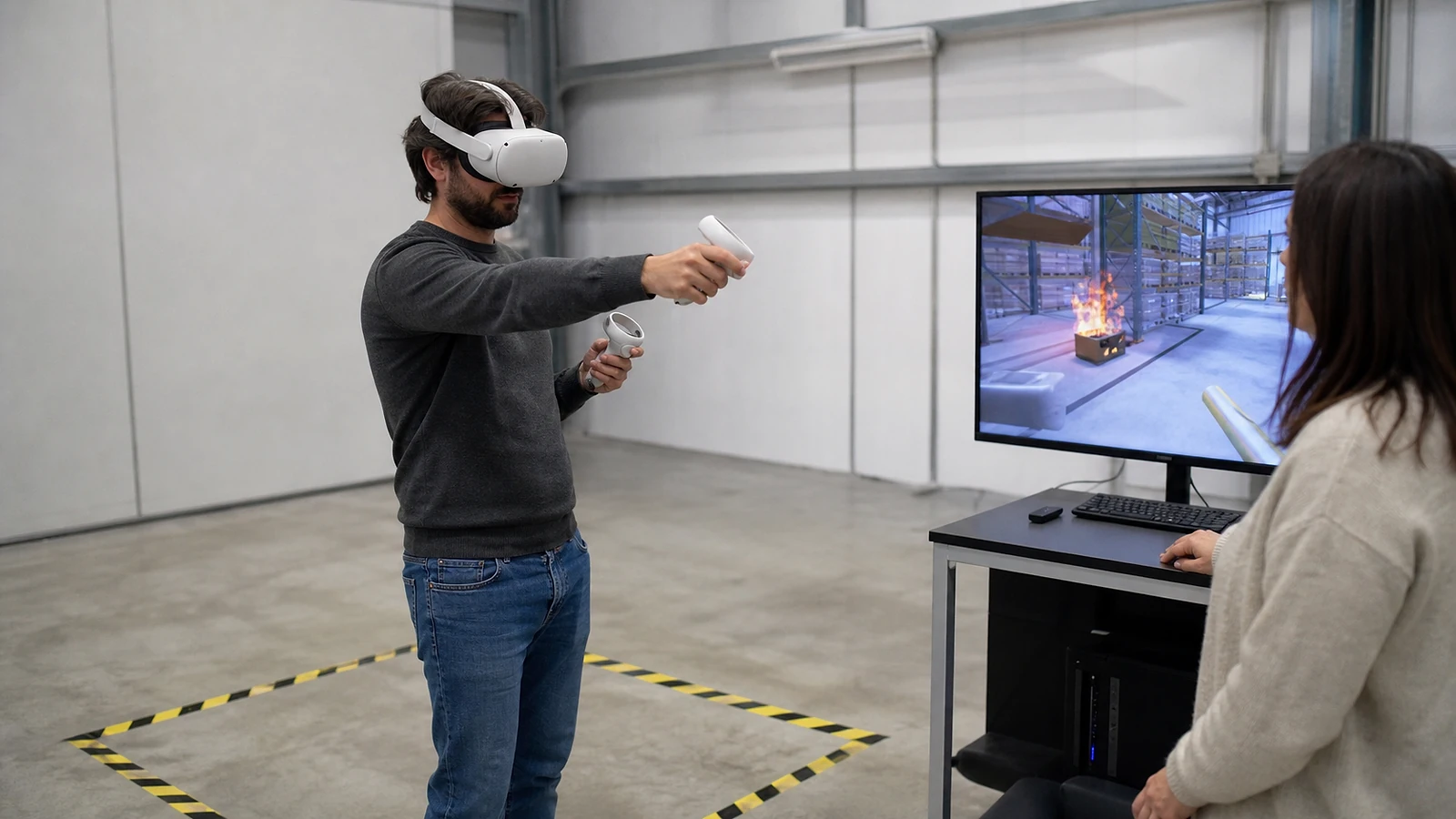
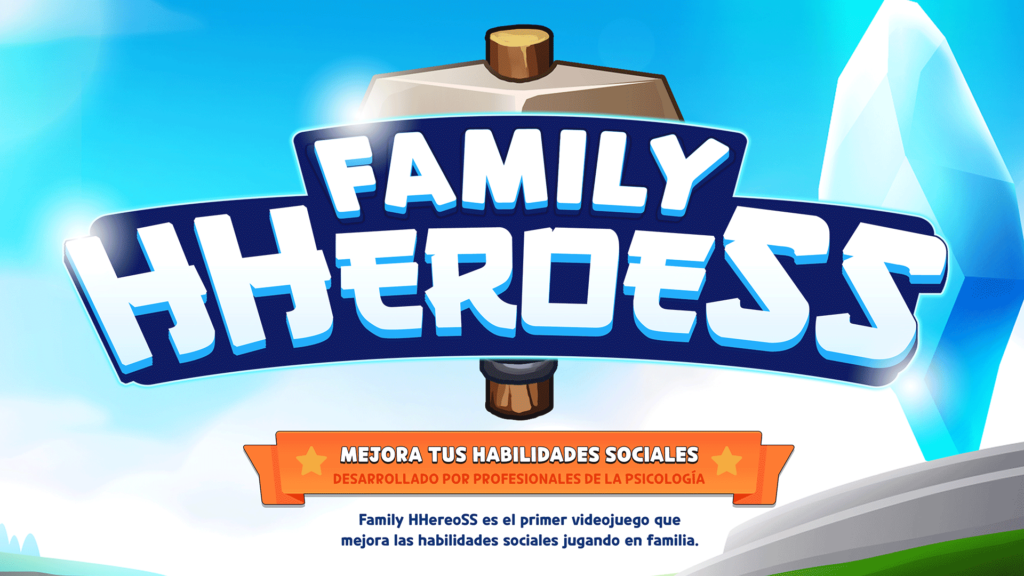
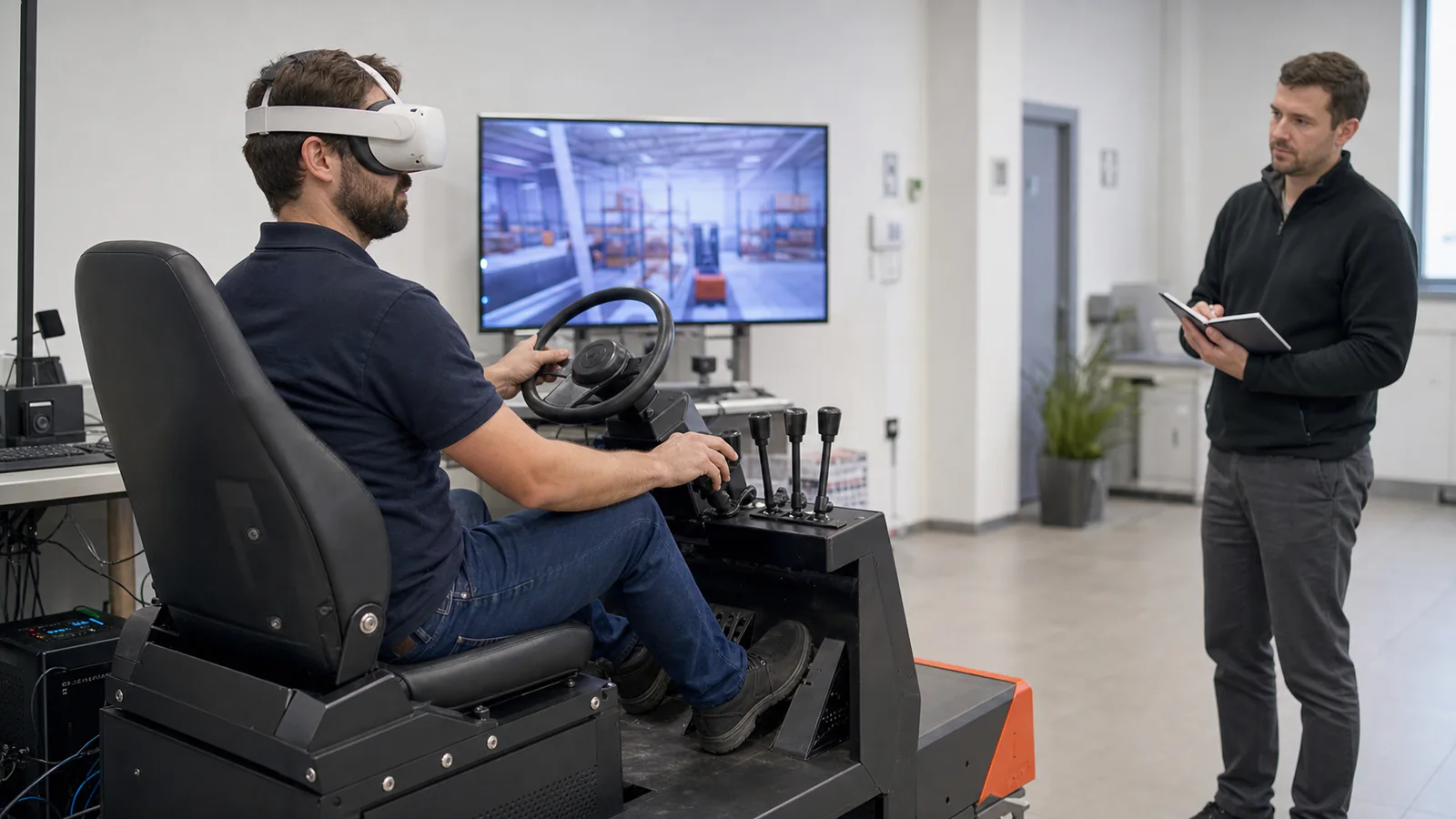
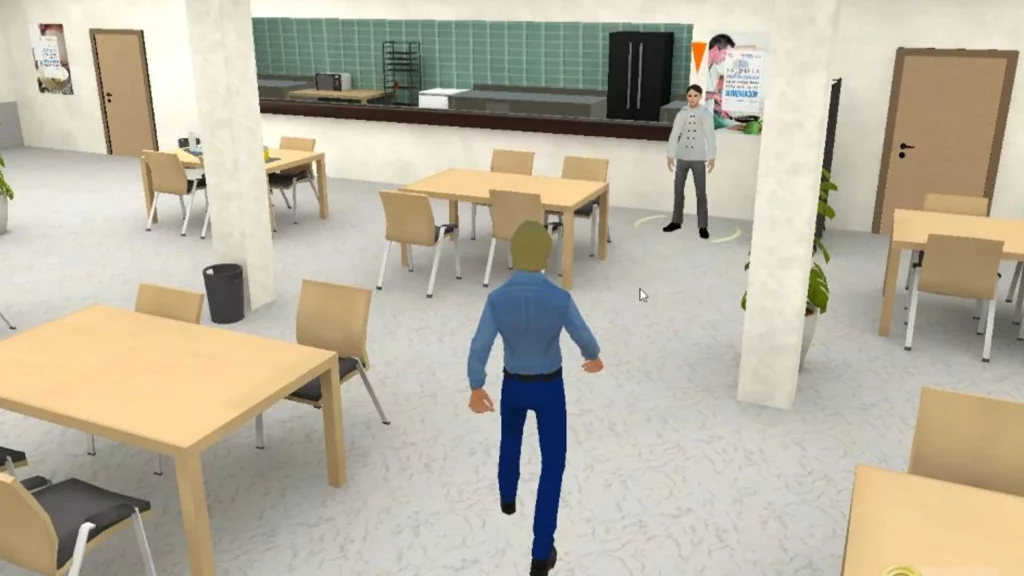
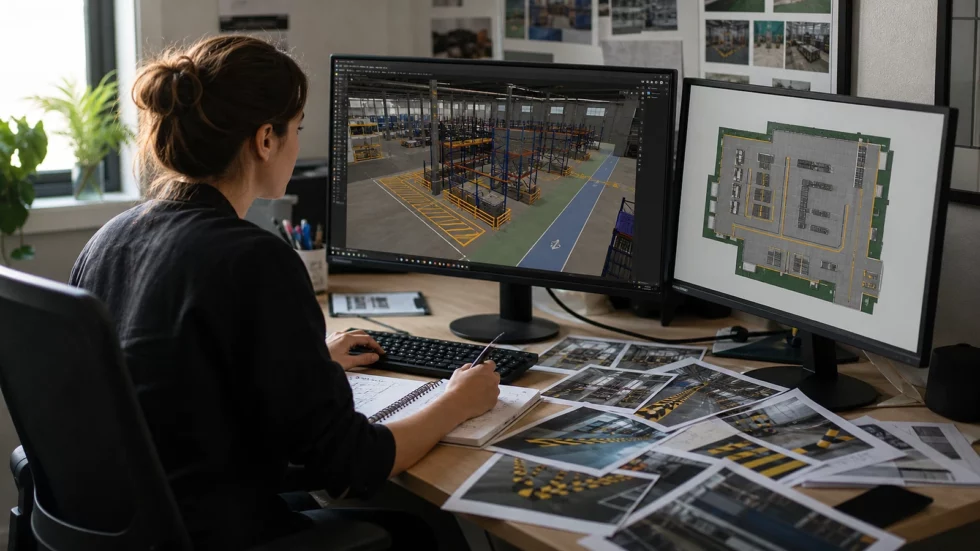
We designed a narrative serious game (Spanish only) for decision practice, with simulated situations, contextual feedback and a closing reflection phase. It is not presented as a diagnostic or treatment tool. We also built an industrial training experience in VR (Spanish only) for practising a work procedure. Our article on going from objective to mechanic (in Spanish) explains our method.
Frequently asked questions.
Yes, when it serves a clear skill. Deterding and colleagues define it as game design elements in non-game contexts, and workplaces are one of them.
Gamification and video games start from €2,000, VAT not included. Mechanics, levels and art shape the rest.
Yes. See our page on gamification for education and training in Spanish.
Related projects.
Real work by OverFuture and its founder on this topic. The project pages are in Spanish.