
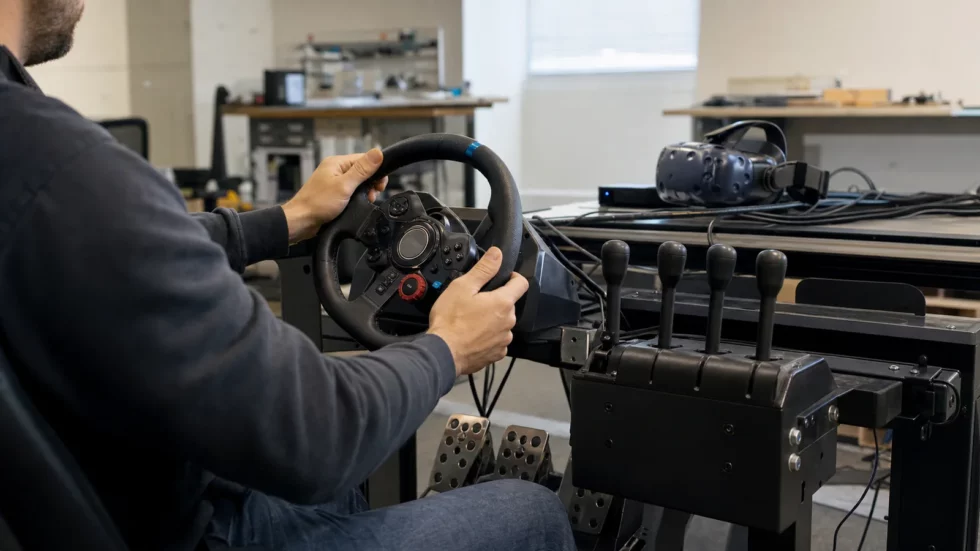
What virtual reality training is.
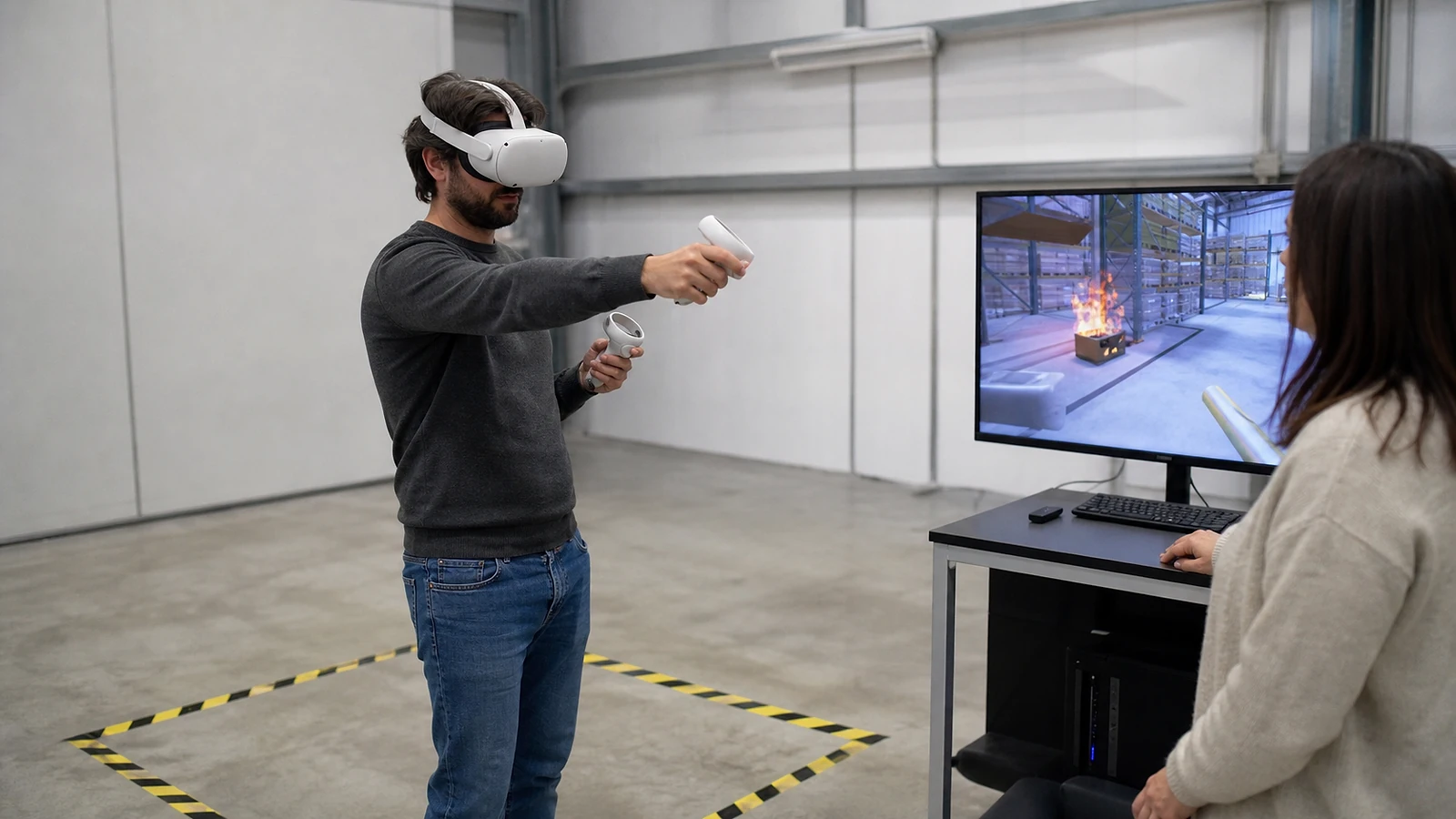
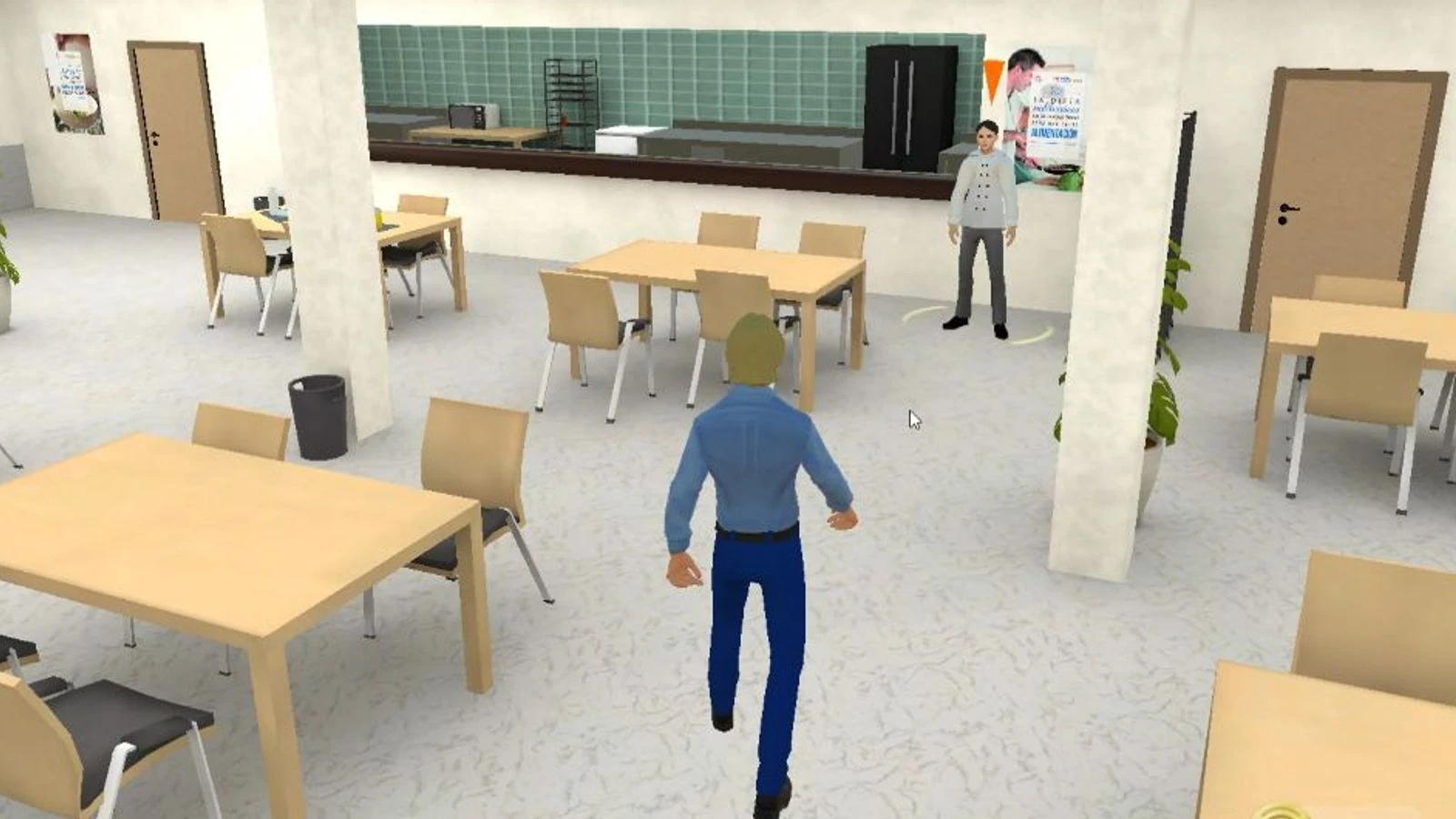
Virtual reality training puts the learner inside a simulated scene where they practise a task with their own hands. Unity’s manual describes VR as an application that simulates a self-contained environment around the user. In training, that environment can be a warehouse, a machine or a difficult conversation. The learner acts and then sees what happened, without real consequences.
What the research shows
Several large reviews support VR training, each with clear caveats. The table summarises three of them, with the limit each one states or implies. None of them measured your task, so a pilot is still the best test.
| Source | Finding | Caveat |
|---|---|---|
| World Bank review | More effective than traditional training for technical and practical skills | More evidence needed in developing countries |
| Safety Science, 2024 | Better knowledge acquisition and retention in safety training | Only 36% of the studies measured long-term retention |
| JMIR, 2019 | Better knowledge and skills for health professionals | Low to moderate certainty of evidence, in healthcare only |
Five benefits of VR training.
Safe mistakes
Errors cost nothing when they happen in a simulation.
Repetition
Learners repeat a step until it feels natural.
Less disruption
Practice does not stop a machine or a production line.
Consistency
Every learner gets the same scenario and the same feedback.
Evidence
Several reviews report better skills than traditional training.
Efficiency and where VR pays off.
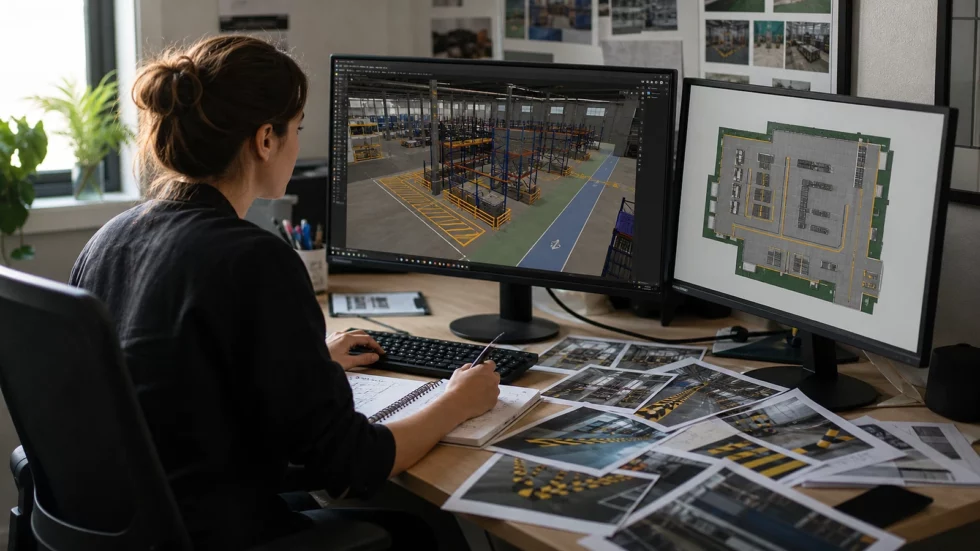
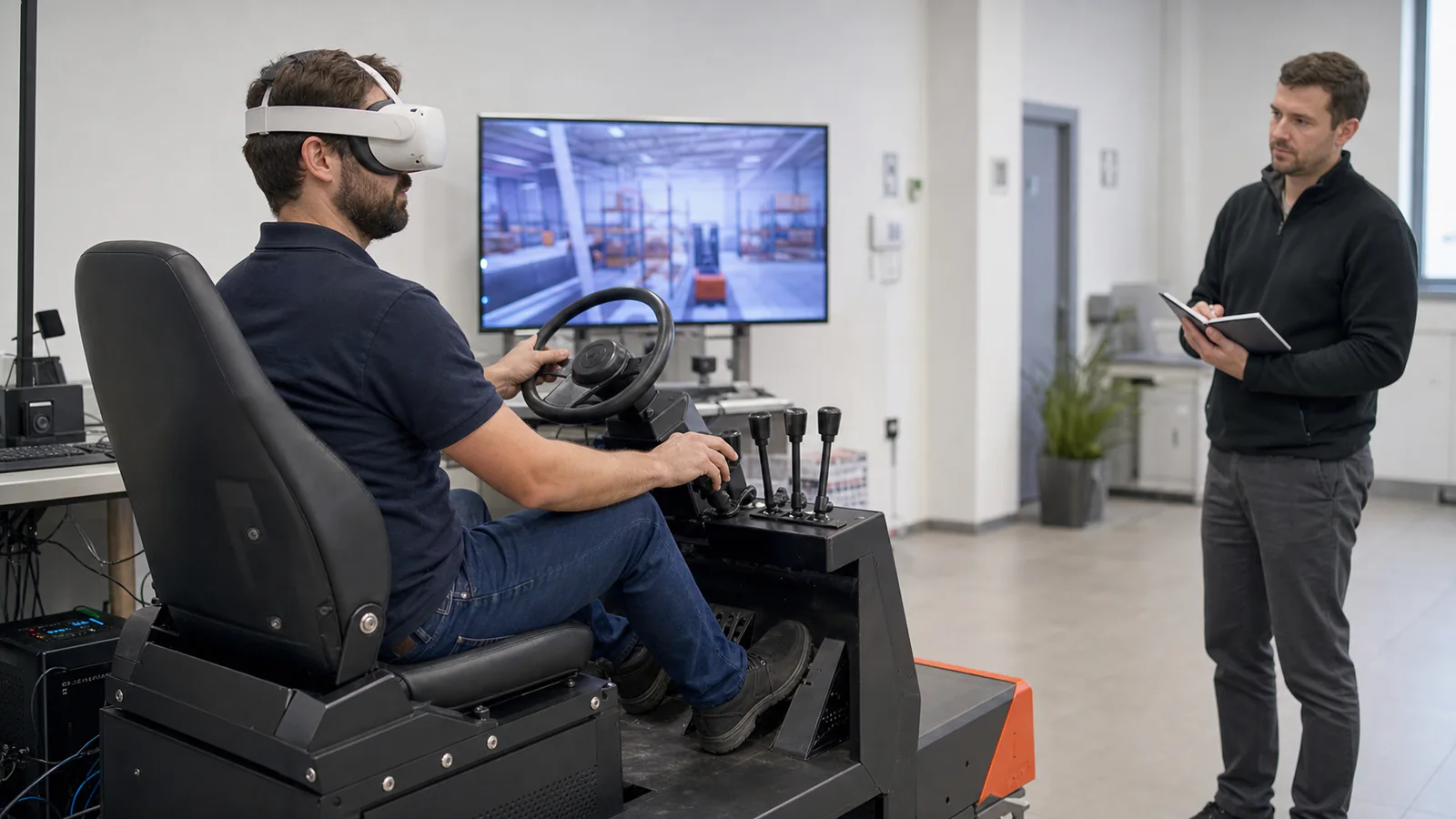
The World Bank review also reports that students trained in VR are, on average, up to 30 percent more efficient per additional hour of instruction. That gain matters most when practice time is scarce or expensive. The same reasoning shaped our VR forklift simulator (Spanish only), where trainees repeat manoeuvres with physical controls. Our article on VR in industrial training (in Spanish) covers when it adds value.
Frequently asked questions.
For physical or risky tasks, reviews point that way on average. For theory, a classroom or a video is often enough.
A 2024 review found better knowledge retention after VR safety training than after traditional training. Check retention in your own team as well.
A clear task, a few headsets and a short first phase. VR applications start from €4,500, VAT not included.
Related projects.
Real OverFuture work on this topic. The project pages are in Spanish.
Virtual reality training for companiesVR simulation with physical controlsGamification in educationVR in industrial training (ES)VR development company in SpainHow to choose a virtual reality companyHire virtual reality developersHow to choose simulation-based VR trainingHow a virtual reality app is madeUnity game development company in SpainGamification for companies